Department of Natural Resources Management
Rationale of the program
Ethiopia is endowed with a wealth of natural resources, including ample land, fertile soil, forests, a favorable climate, water, wildlife, and more. Many of these resources are affected by a range of interconnected factors such as population pressure, agricultural expansion, migration, rapid urbanization, resettlement, climate change, and environmental pollution. The large population has placed a significant strain on the sustainability of nearly all types of natural resources. Consequently, there is a serious degradation of land, water, forests, and wildlife, along with a loss of biodiversity, which appears to exacerbate one another. This process culminates in heightened environmental issues, including the deterioration of water quality, a decline in biodiversity, and a disruption of ecosystem services. Furthermore, it leads to various socio-economic challenges, political instability, marginalization, poverty, and ongoing natural disasters.
The Ethiopian government has implemented various measures to tackle these issues. To ensure ongoing benefits from the limited resources available in Ethiopia, a range of policies have been formulated, institutions have been established, and numerous management and conservation strategies have been devised. The current governance rules, frameworks (including policies, laws, regulations, and proclamations), and stakeholders are focused on enhancing the management, conservation, and utilization of natural resources. Among the most prevalent strategies for appraising, managing, and conserving natural resources are controlling population growth rates, adapting to and mitigating climate change, afforestation and reforestation efforts, agroforestry practices, conservation agriculture, improved management of water resources, management of grazing lands, land use planning, and community-based ecotourism.
The objective of the natural resource management program is to enhance the existing understanding of the condition of land, water, forests, rangelands, and wildlife resources, thereby evaluating their degradation trends. Consequently, every individual must take responsibility for the natural resources and ecosystems in any feasible manner to ensure they can continue to deliver the goods and services required by the population. Furthermore, increased policy focus from the government is essential together with intensive research and development works has to be made in order to build an enabling environment for sustainable natural resource utilization, conservation and management.
Vision
By 2030, the Natural Resources Management (NaRM) Department aspires to be a leading center of excellence in East Africa, recognized for producing competent and innovative professionals, conducting impactful research, and delivering sustainable solutions that enhance ecosystem resilience, climate adaptation, biodiversity conservation, and sustainable development.
Mission
- To prepare knowledgeable, skilled, and attitudinally matured graduates in relevant disciplines to support peace, democracy and national development that can make the country internationally competitive.
- To enhance and promote research focusing on knowledge and technology transfer consistent with the country’s priority needs.
- Design and provide community and consultancy service that shall cater to the developmental needs of the country through active engagement of the community and stakeholders.
Programs under the department
The Department of Natural Resource Management offers a regular B.Sc. in Natural Resources Management and Three distinct M.Sc. programs. The postgraduate options include Environmental Science, Integrated Watershed Management, and Soil Science which all are available through flexible regular and evening delivery tracks.
Table1. Undergraduate and Postgraduate Academic Programs in Natural Resources Management
| No | Level | English nomenclature | Amharic nomenclature | Delivery | Remark |
| 1 | BSc | Bachelor of Science Degree (B.Sc.) in Natural Resources Management | የባችለር ሳይንስ ዲግሪ በተፈጥሮ ሃብት አያያዝ | Regular | |
| 2 | MSc | Masters of Science Degree (M.Sc.) in Integrated watershed management | የማስተርስ ሳይንስ ዲግሪ በተቀናጀ ተፋሰስ ልማት | Regular and evening | |
| 3 | MSc | Masters of Science Degree (M.Sc.) in Environmental Science | የማስተርስ ሳይንስ ዲግሪ አካባቢ ሳይንስ | Regular and evening | |
| 4 | MSc | Masters of Science Degree (M.Sc.) in Soil Science | የማስተርስ ሳይንስ ዲግሪ አፈር ሳይንስ | Regular and evening |
Student Enrollment & Graduate Trends
The Department of Natural Resource Management maintains a robust academic pipeline, featuring an intake capacity of 40 to 50 students per study program at the Bachelor of Science (BSc) level and 10 students per program at the Master of Science (MSc) level.
Since its establishment, the department has consistently attracted a diverse student body, resulting in significant graduation milestones across both undergraduate and postgraduate levels.
Bachelor of Science (BSc) Graduation Trends
The department’s BSc program experienced a dynamic trajectory over nearly two decades, characterized by early foundational years and massive expansion phases. According to the data obtained from DMU main registrar, the total numbers of Bachelor of Science (BSc) graduates from 2002 E.C to 2017E.C are 2046.
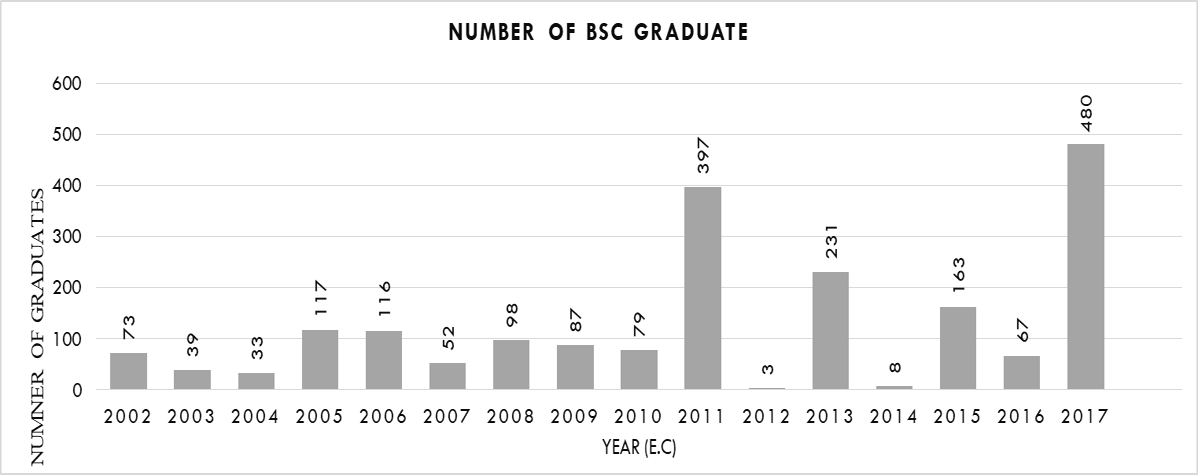
Figure 1: Graduate Student Distribution in the NaRM Program across Three Campuses (DMU Main campus, Burie and Mertolemariam)
Master of Science (MSc) Graduation Trends
At the postgraduate level, the department has significantly expanded its impact through three specialized tracks, collectively graduating 124 MSc students between 2013 and 2018 E.C.
Learning Resources of the department
Laboratory Facilities
The Department of Natural Resource Management (NaRM) possesses essential laboratory facilities that support teaching, research, and practical training. These include a Soil Laboratory, which serves as a key facility for soil analysis and related studies and it provides a foundation for practical learning and laboratory-based instruction.
In addition, the department maintains a well-established Geographic Information Systems (GIS) Laboratory equipped with widely used geospatial software, including ArcGIS (ArcMap) and QGIS. The GIS laboratory facilitates spatial data analysis, mapping, remote sensing applications, and geospatial modeling, thereby enhancing students’ practical skills and supporting research activities in natural resource management and environmental studies.
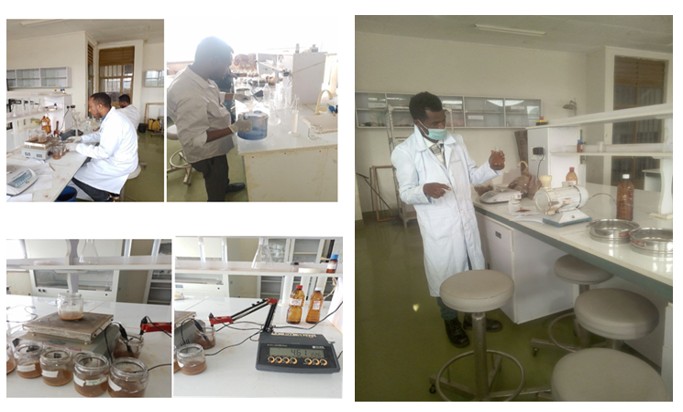
Figure 2: Researchers conducting soil analysis in the soil laboratory, including soil sample preparation, extraction, soil pH assessment and analysis using Laboratory Instruments.

Figure 3: GIS Laboratory equipped with networked computer workstations and geospatial software to support instruction, research, geospatial data processing, spatial analysis, digital mapping, and practical training in Natural Resources Management.
Practical and Field Facilities
The Department of Natural Resource Management is supported by well-established practical and field training facilities that enhance the integration of theoretical knowledge with real-world applications. A dedicated demonstration site located on the main campus serves as a living laboratory for field-based instruction, practical exercises, research activities, and the demonstration of sustainable natural resource management technologies.
In addition, the department utilizes field facilities at Enechifo Agricultural College, the department has access to extensive farmland and field-training areas used for nursery establishment, agroforestry development, and sustainable land management practices. These facilities enable students to gain hands-on experience in seedling production, tree and crop management, agroforestry system implementation, soil and water conservation measures, and other field-oriented activities. The practical sites play a significant role in strengthening students’ technical competencies, promoting applied research, and supporting community-based natural resource management initiatives.
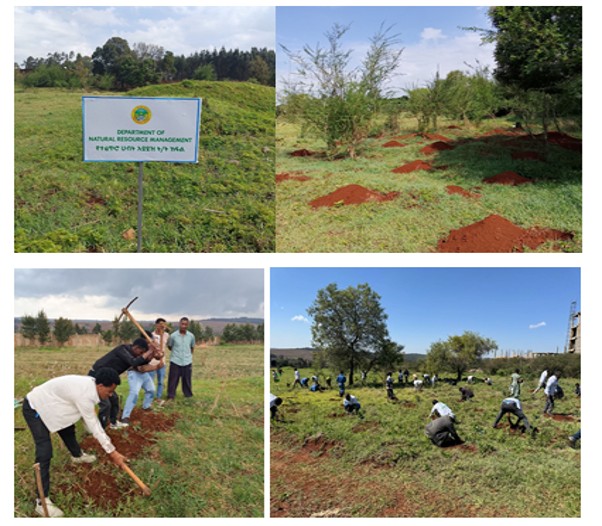
Figure 4: NaRM demonstration site showing coffee seedling pit preparation, Student’s project work, and mass coffee tree planting activities.

Figure 5: Vermiculture-Based Organic Waste Recycling and Vermicompost Production Facility at NaRM Demonstration Site.
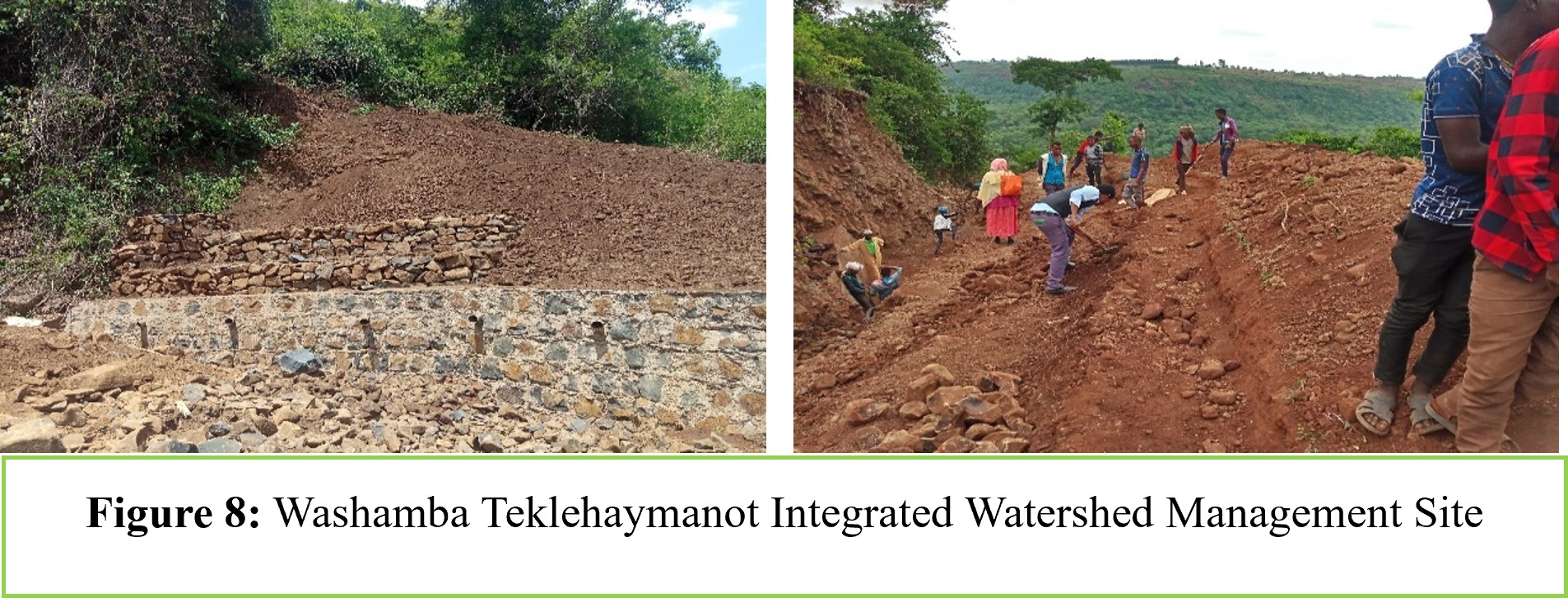
Additionally, the department maintains different outreach integrated watershed development sites, which serve as living laboratories where students transit from classroom theory to field reality and they provide invaluable hands-on experience in mapping degradation, measuring soil erosion rates, practicing silvicultural techniques, and designing structural and vegetative conservation measures. These initiatives include the Chira integrated watershed management, Washamba integrated watershed management, and the Shtie Megebesh Integrated watershed management.
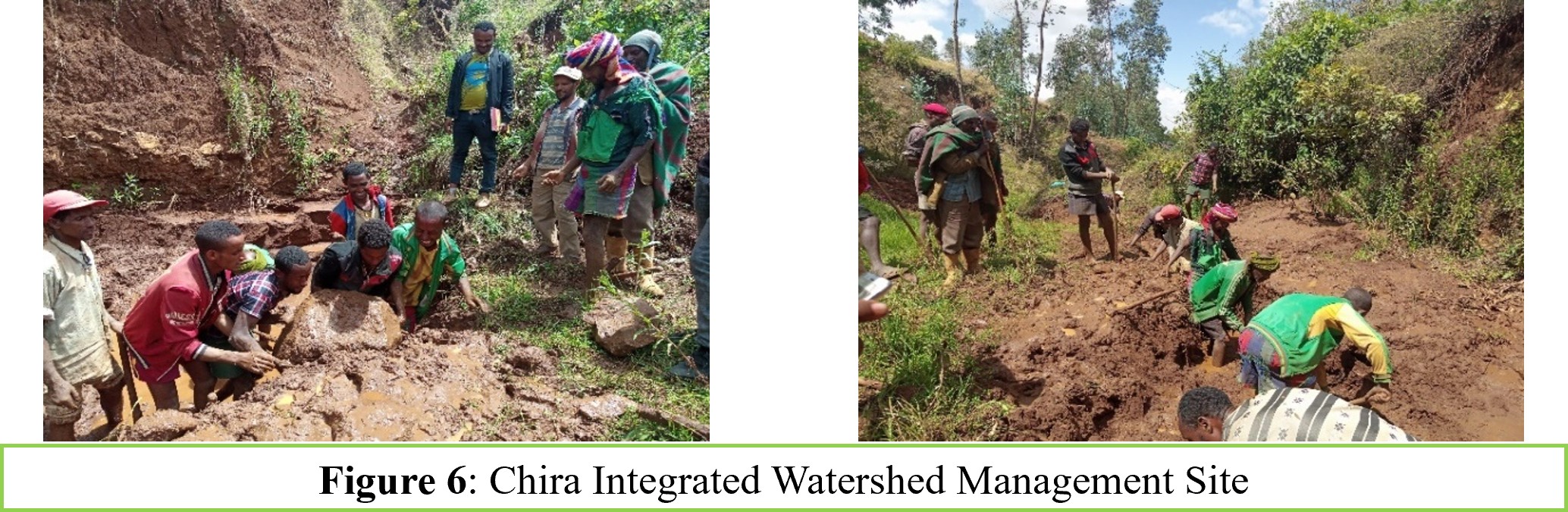
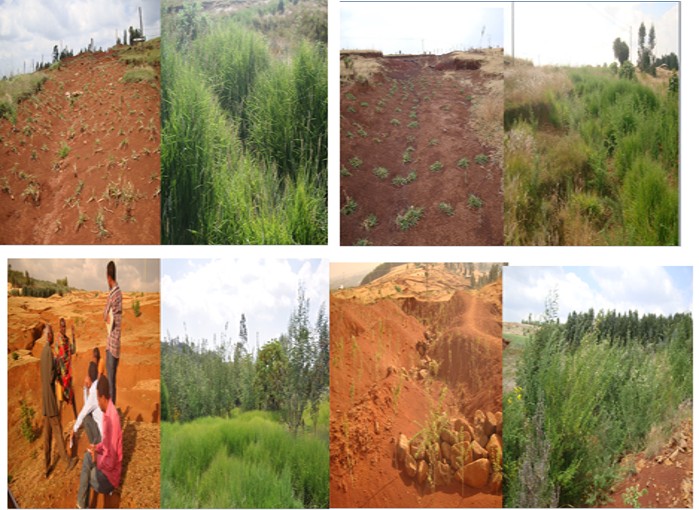
Figure 7: Land Restoration and Recovery: Evidence of Environmental Change at Chira Integrated Watershed Management Site