
Rationale for the program
The Animal Science program plays a vital role in producing competent professionals, researchers, and experts capable of addressing the key challenges in animal production. By equipping graduates with a strong foundation in theoretical knowledge and practical skills, the program contributes to improving livestock productivity, alleviating feed shortages, enhancing genetic resources, and effectively managing animal health issues. Its influence extends well beyond academia, as graduates are employed across a wide range of sectors, including universities, livestock research institutes, the Ministry of Agriculture, governmental and non-governmental organizations, private enterprises, and agro-industries. Through its integrated efforts in education, research, and technology transfer, the program fosters sustainable animal production systems, strengthens the livestock sector, and plays a significant role in promoting national food security and economic development.
Vision
The department has a venerable vision to have proven competence in animal science training, research and extension by producing highly competent and skilled professionals in the areas of livestock sector and conducting multidisciplinary research which is innovative, result oriented and demand driven.
Mission
Its mission is to offer training of high caliber, practically oriented, competent and responsive professionals in the fields of animal sciences with integrated, applied and problem-solving research and extension services.
- Student Demography
The student profile of the Department of Animal Science demonstrates a sustained and growing interest in the program, underscoring its strong reputation and increasing appeal among prospective learners. Over the years, the department has successfully enrolled and trained a diverse cohort of students at the undergraduate, master’s, and doctoral levels, reflecting its academic excellence and capacity to respond to the evolving demands of the livestock sector. The steady progression from undergraduate to postgraduate and PhD programs highlights the department’s dynamic growth, commitment to quality education, and dedication to producing competent professionals, researchers, and academicians who contribute to national agricultural transformation and sustainable livestock development. The graphs below illustrate the trends in BSc, MSc, and PhD student enrollment and demographic distribution over the years, providing a visual overview of the department’s expansion and diversification in student intake.
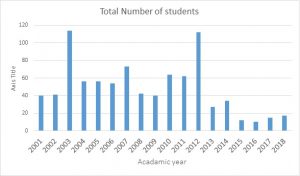
Figure 1. Total number of undergraduate students across consecutive academic years
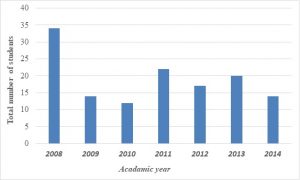
Figure 2. Total number of Msc students across consecutive academic years
- Learning Resources of the department
- Laboratory Facilities
The department has Animal nutrition and feed analysis laboratory, Microbiology and parasitology laboratory, though they are not yet fully equipped or fully operational.
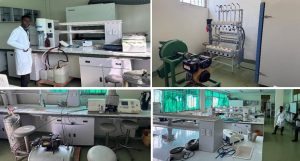
Figure 4. Animal nutrition laboratory partial overview
- Practical and Field Facilities
The Department of Animal Science is well-equipped with a variety of practical demonstration facilities that enhance both teaching and research activities. These include specialized demonstration farms encompassing forage, dairy, poultry, beef, and sheep units, each serving as a valuable platform for hands-on learning and skill development. Through these facilities, students and researchers gain practical experience that complements theoretical instruction, thereby strengthening their competence in modern animal production and management practices.
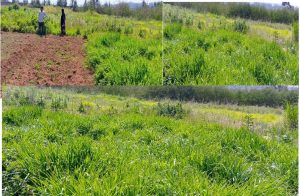
Figure 5. Forage demonstration and research site managed
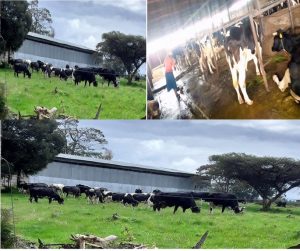
Dairy farm (chokie enterprise)
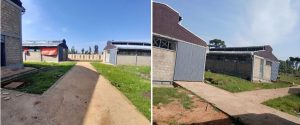
Poultry farm (chokie enterprise)